
ALMAG: The Deficiency Soybeans Couldn’t Show
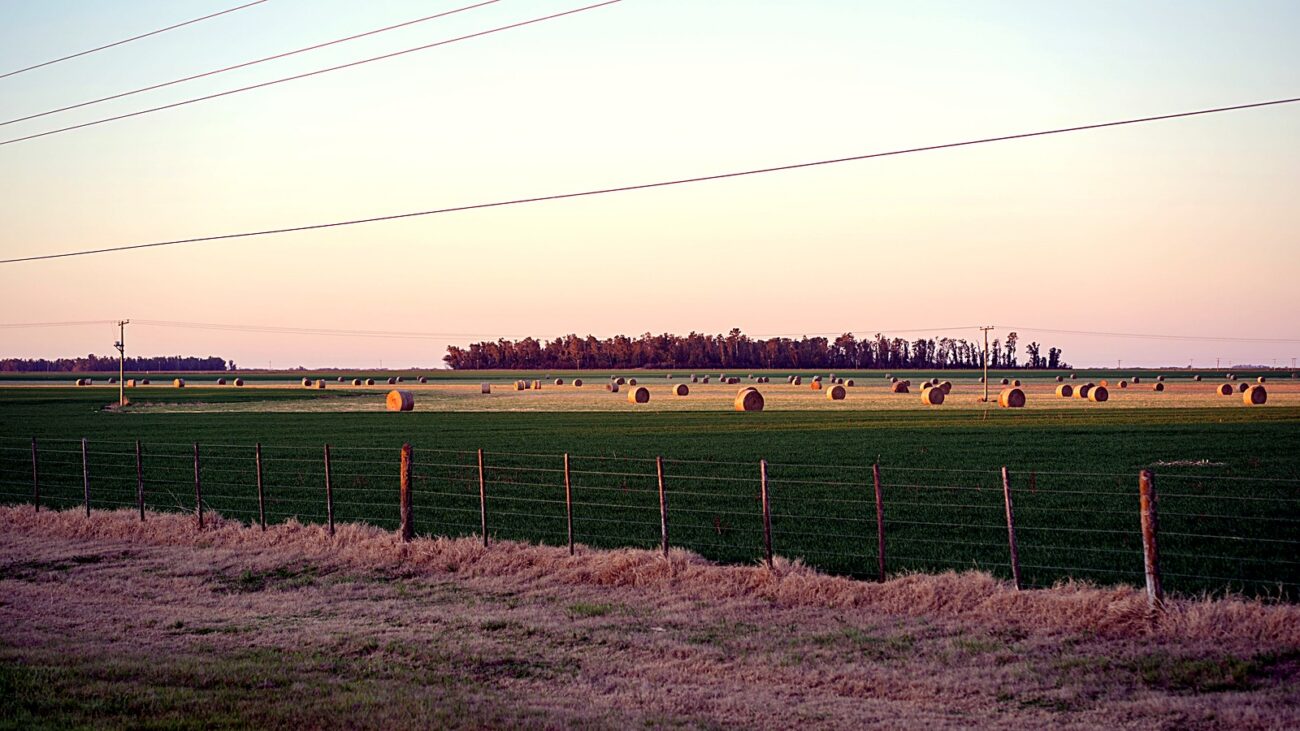
Plants are talking, and ALMag is listening: using AgroCares technology to detect nutrient deficiencies before visible symptoms appear, and helping lift soybean yields by up to 12%.
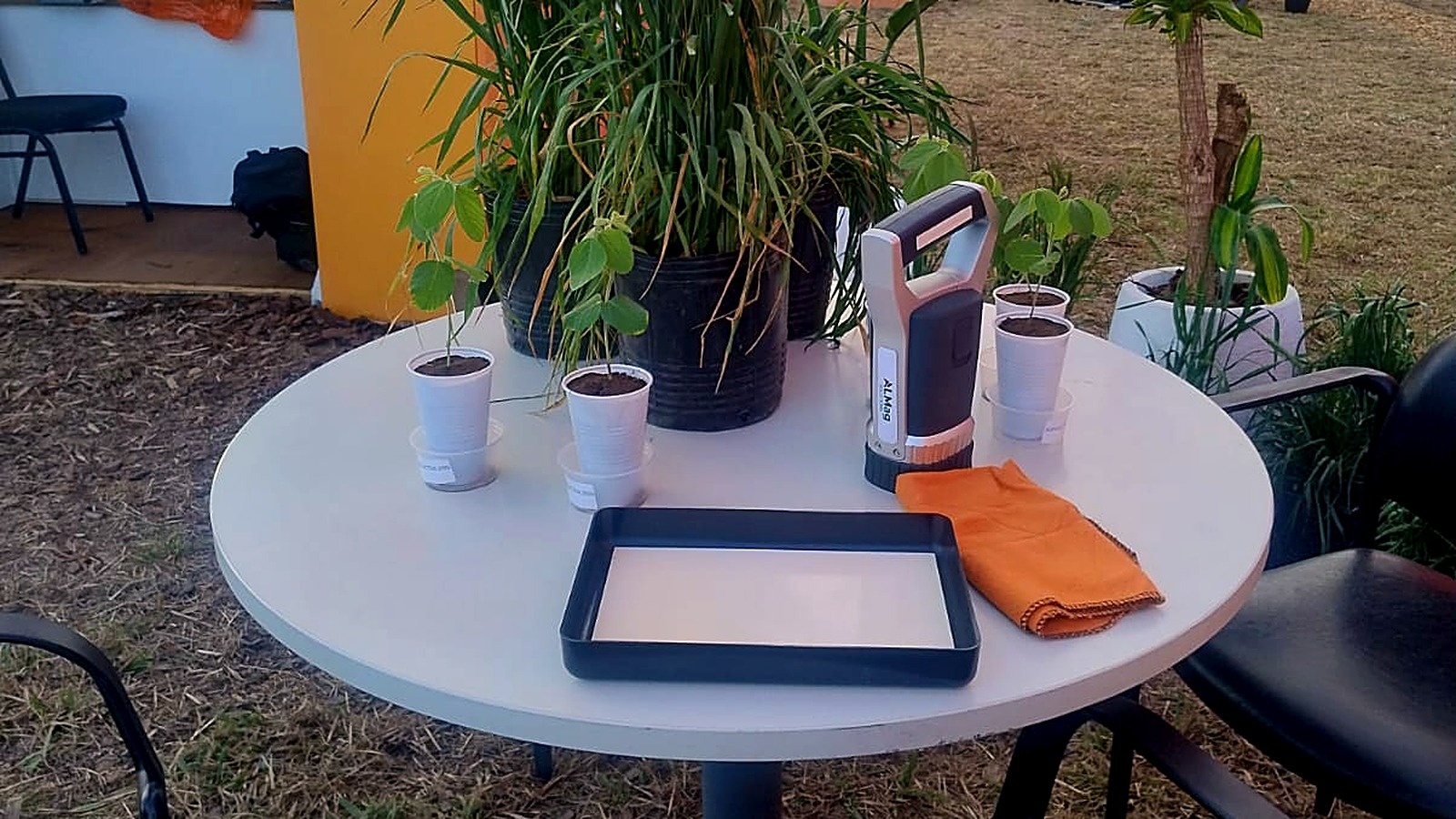
At AgroActiva, one of Argentina’s largest agricultural exhibitions, the ALMag team placed wheat and soybean samples beneath a portable scanner and analysed them in front of the farmers gathered at its stand.
A farmer would walk up, doubtful. Someone from the team would scan a leaf sample. And somewhere between the scan and the number appearing on screen, minutes rather than days, the scepticism would begin to fade.
“The reaction was often: ‘Wow,'” says Dr. Federico Zuljan, CTO and co-founder of ALMag.
It’s a small word for a genuinely strange experience: watching a plant tell you what is happening inside it. For ALMag, based in Rosario, one of the world’s busiest ports for grain and fertiliser exports, that reaction was the whole point. It captured both the promise of the technology and the work still required to introduce it to Argentine agriculture. Farmers here trust science, but they distrust anything that has not proven itself on their own soil first.
Who ALMag are
ALMag was co-founded two years ago by Ezequiel Marchionni (PhD in Agricultural Sciences) and Federico Zuljan (chemist and PhD in Biological Sciences). Their business is crop nutrition: reading soil and plant tissue to tell large-scale growers exactly what their fields need, and when. Their clients farm at a scale that is hard to picture from outside Argentina; one manages 40,000 hectares of soybeans, corn and wheat. Their territory stretches from southern Santa Fe and Córdoba to Entre Ríos and northern Buenos Aires, with new work starting in La Pampa, Río Negro and Salta.
Those distances matter, because by the time a result returns, the crop may have already changed. “The distance between them can be comparable to travelling from Lisbon to Berlin,” Federico says of two of ALMag’s client regions. A traditional lab result can take four to ten days to come back, long enough for a young maize plant to grow three or four new leaves. The information may still be scientifically valid. Its value as a decision, however, is fading.
Bringing the analysis to the decision
The AgroCares scanner records the spectral fingerprint of a leaf, soil or feed sample using near-infrared light. The matching software licence, such as LeafCares or SoilCares, connects that scan to calibrated prediction models, turning spectral data into nutrient information an agronomist can interpret and use.
“The results are available almost in real time,” Federico says. “That is a game changer in Argentina, because the distances between farms and laboratories are often very large. Being able to take the scanner directly into the field is therefore extremely valuable.” Put more plainly, in his words:
“With this technology, the laboratory effectively comes to the farm.”
That distinction matters in Argentina, where Federico estimates only 5 to 6 percent of farmers run regular soil analysis. Not because farmers do not understand the value of the data. “The problem is not a lack of knowledge or intelligence,” he says. “The barriers are often practical, economic, and logistical.”
Then there is the soil itself. Argentina’s historically fertile soils, rich in organic matter, phosphorus and potassium, supported decades of production without making nutrient testing feel urgent. Decades of heavy cultivation have started to change that, and soil degradation is becoming harder to ignore. Add Argentina’s steep export taxes, and the maths gets harder still: when commodity prices dip and the tax burden does not, growers think twice before spending on anything unproven.
“Our role is to validate the technology and provide what I would call a soft landing for farmers,” Federico says. “Farmers need a local company that can connect the potential of the technology to their specific problems.”
That is the gap ALMag set out to close, and why, a year ago, they started working with AgroCares. AgroCares started in the Netherlands in 2013, building on decades of Dutch agricultural laboratory experience, by bringing near-infrared technology to soil analysis. What began with soil grew into portable scanners that analyse soil, leaf and feed samples with calibrated prediction models, built on data from AgroCares’ ISO/IEC 17025-accredited Golden Standard Laboratory. Today, AgroCares scanners have analysed more than 2.4 million samples, for farmers, local agronomists and multinational food companies alike. The idea hasn’t changed: read the sample where it is, get the result in minutes, and make the decision without waiting for the lab.
Over the past year, ALMag ran 500 to 600 leaf tissue analyses with LeafCares to validate the technology locally, covering around 10,000 hectares across southwestern Córdoba, Entre Ríos, southern Santa Fe and northern Buenos Aires. Then came the decisions.
The problem the farmer could not see
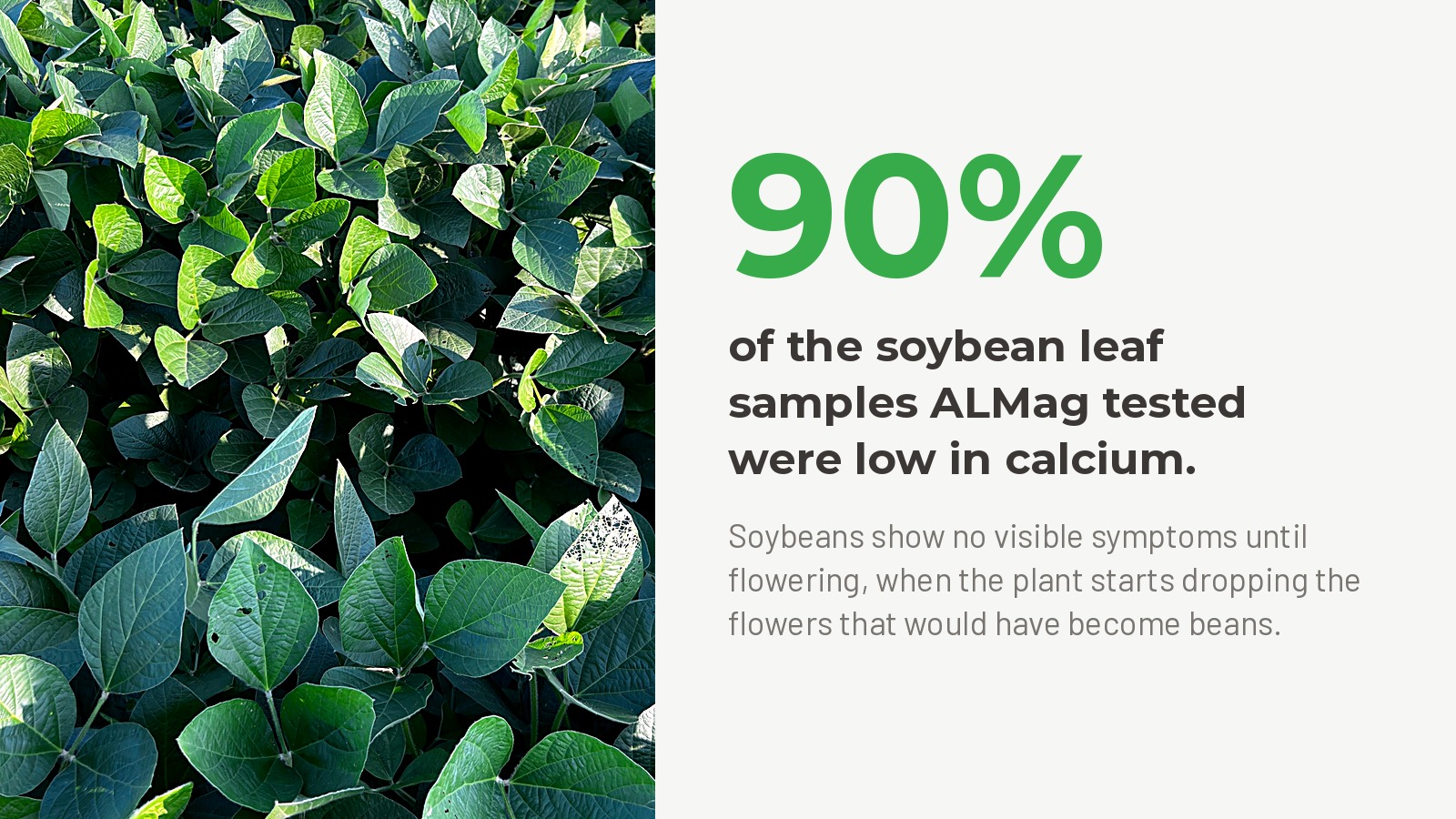
One clear example of what a real-time read can catch is soybean calcium deficiency. In 90 percent of the soybean tissue samples ALMag tested, calcium levels were low. Not because the soil lacked calcium outright, but because so little of it was actually available to the plant, a function of the soil’s base saturation that a simple nutrient count would miss. A rainy summer made it worse, unsettling the balance between calcium and boron right when the crop needed it most. Here is what makes the deficiency dangerous: soybeans do not show it.
“The most important point is that the farmer would otherwise have been blind to the problem,” Federico says.
“Calcium deficiency may not become visibly apparent until flowering, when the soybean plant begins losing flowers. Once that happens, it may already be too late to intervene effectively.”
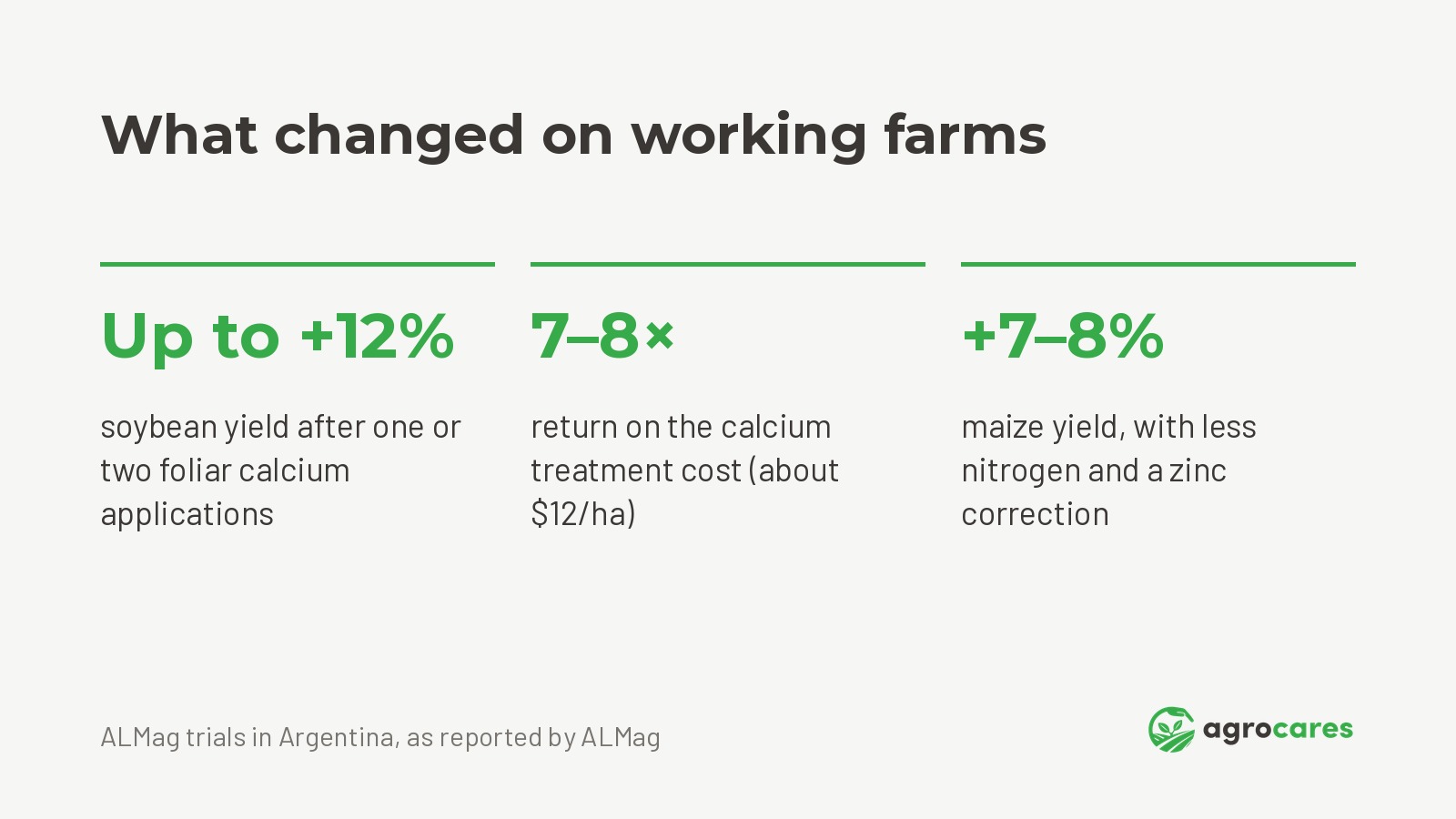
By the time a farmer can see the problem, the plant has already started dropping the flowers that would have become beans. ALMag’s scans caught it earlier. One or two foliar calcium applications, tested across working farms, produced yield increases of up to 12 percent. Per hectare, that means 400 to 600 additional kilograms of soybeans, against a treatment cost of around $12. The return: seven to eight times what was spent. This is where speed becomes more than convenience. It changes when an agronomist can intervene.
This wasn’t the only relationship the scanner exposed.
In one maize case, ALMag ran tissue analysis at the V5 growth stage. The farmer expected to apply a set amount of urea as part of re-fertilisation. The analysis pointed elsewhere: the crop needed less nitrogen than anticipated, but it was short of zinc. Correct the zinc, cut the nitrogen, and yield rose 7 to 8 percent: a rare case of spending less and harvesting more.
The scanner also helped ALMag examine relationships that disappear when nutrients are considered one by one. In one experiment, a nitrogen-to-sulphur ratio of about 9:1 performed better than a ratio of about 4:1. No vegetation index can see that, because it isn’t measuring one nutrient; it’s measuring the relationship between two. The same logic held for phosphorus and zinc in young wheat and maize: high phosphorus was quietly starving the plants of zinc until a scan caught it in time to fix.
An NDVI image may show that a crop is under stress, but it cannot explain why. Tissue analysis moves the conversation from what the plant looks like to what is happening inside it. “This went beyond a basic minimum viable product,” Federico says of the validation work.
“It gave us the confidence to move into the next phase of distribution and expansion.”
From validation to access
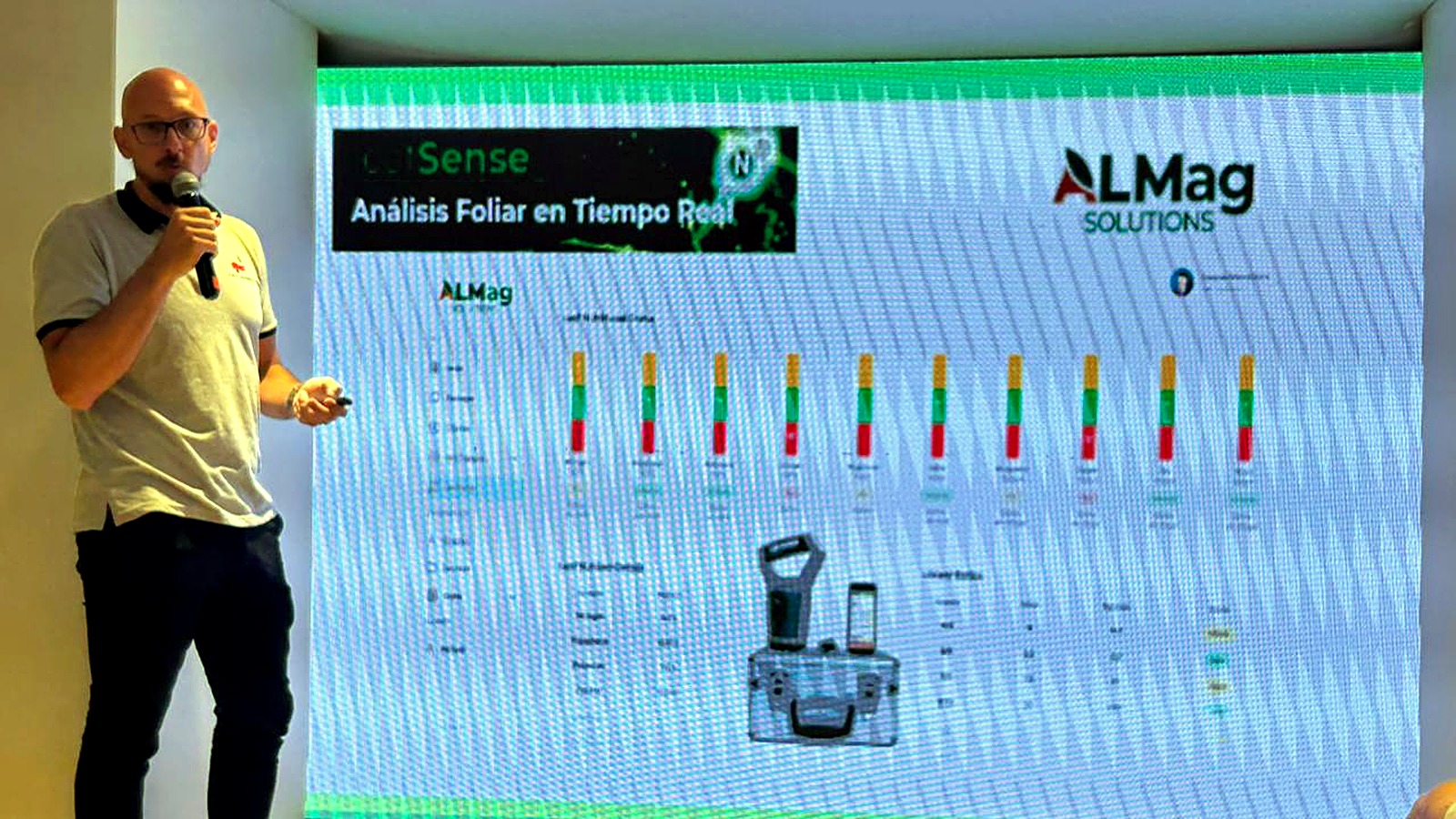
ALMag spent a year validating the technology before building their business on it. AgroCares built the tool that lets them do it in minutes instead of days. Somewhere in that year, a farmer in Córdoba or Entre Ríos got to keep the flowers on a soybean plant that would otherwise have dropped them, unnoticed.
This reflects the wider purpose behind AgroCares’ work: to make nutrient testing accessible while helping preserve fertile soils for future generations.
ALMag’s work is still growing. They are now advancing local calibration for soil analysis, starting in southern Santa Fe and northern Buenos Aires, and bringing in additional scanners to expand into more regions across Argentina.
For agricultural organisations trying to bring nutrient diagnostics closer to the field, the ALMag experience offers a place to begin. Learn more about AgroCares’ scanner solutions and how local partners are putting nutrient information into practice.

Bukura Agricultural College – Kenya
Bukura Agricultural College (BAC) is a training center located in Kakamega County, western part of Kenya. The college offers agricultural

How Schaumann Helped Farmers using our FeedCares solution
For over eight decades, Schaumann has been a leader in the production of minerals and active ingredients for animal feed,

OCP Kenya
The success of the OCP Kenya-OCP School Lab (OSL) project stems from a comprehensive approach to addressing agricultural challenges in



 SoilCares
 FeedCares
 LeafCares
 CarbonCares